Skip to content

✌🏼 Free Shipping on orders over $79!

Guide to Gravel Bikes — Get Ready to Roam

Gravel bike riding on an open road near mixed terrain

Guide to Gravel Bikes — Get Ready to Roam

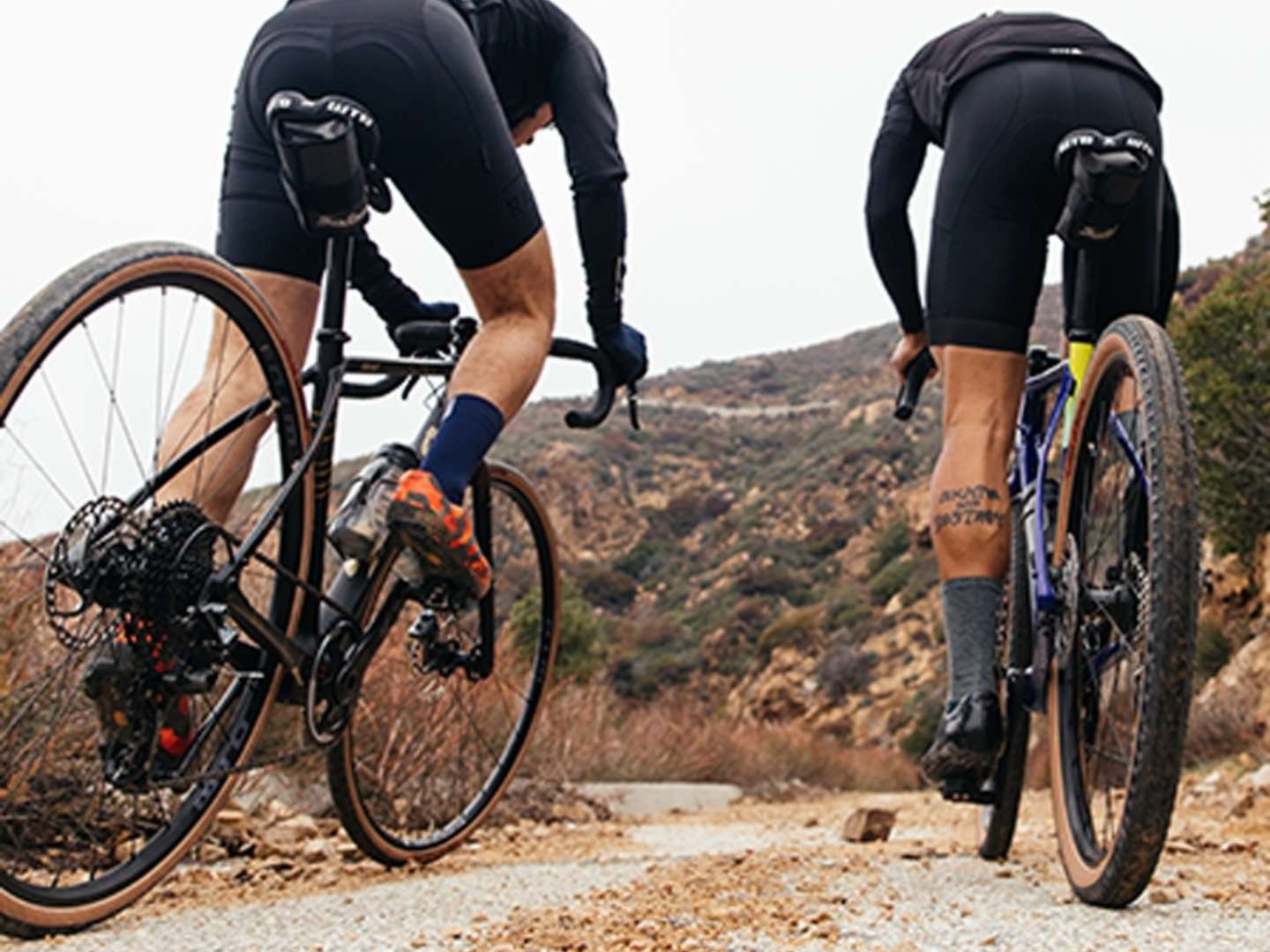
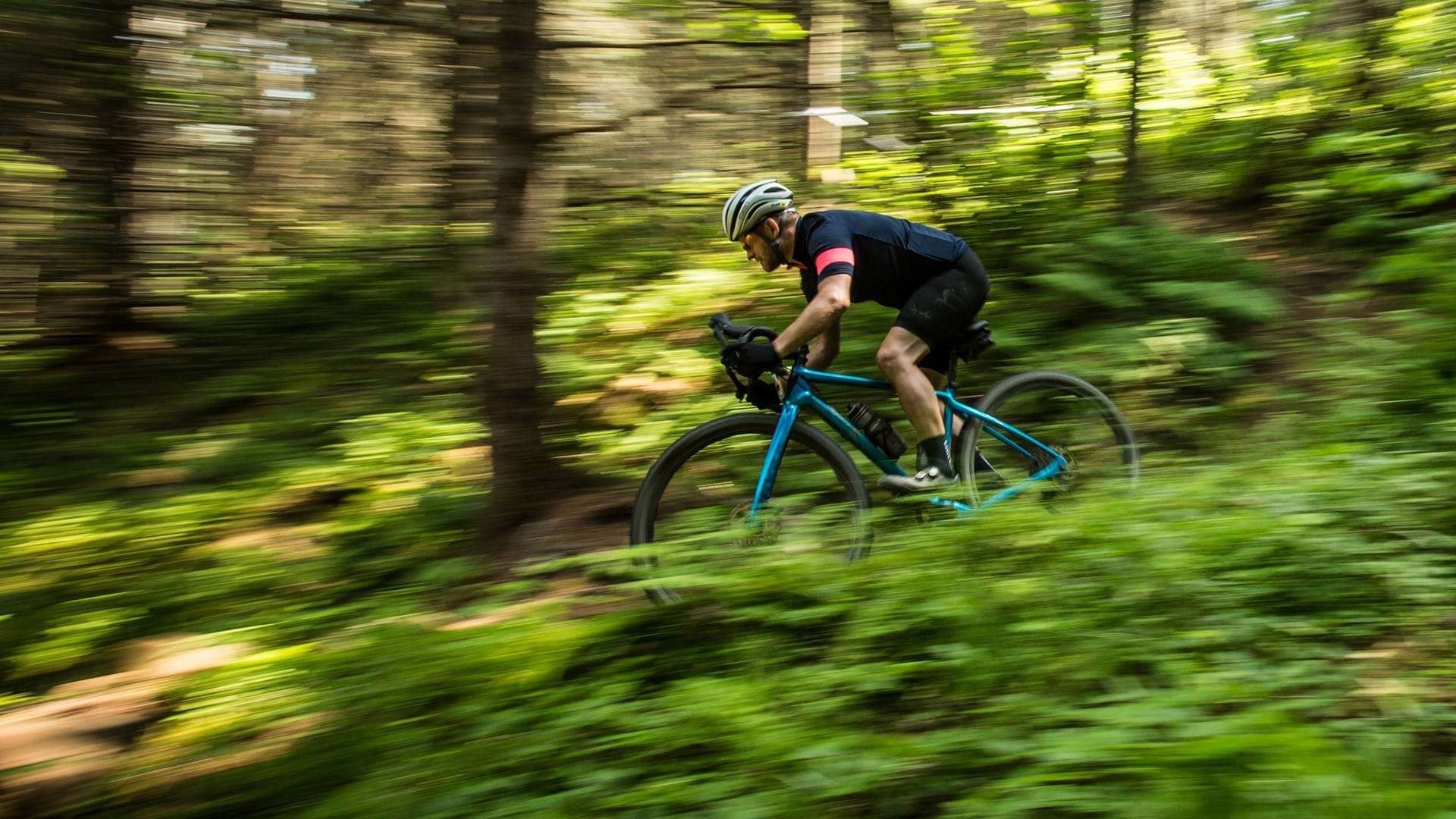
Gravel bikes are lightweight, rugged, and adaptable — the sweet spot between speedy road bikes and trail-ready mountain bikes. They’re built to handle mixed terrain, explore new routes, and keep things fun when the pavement ends.

Go More Places

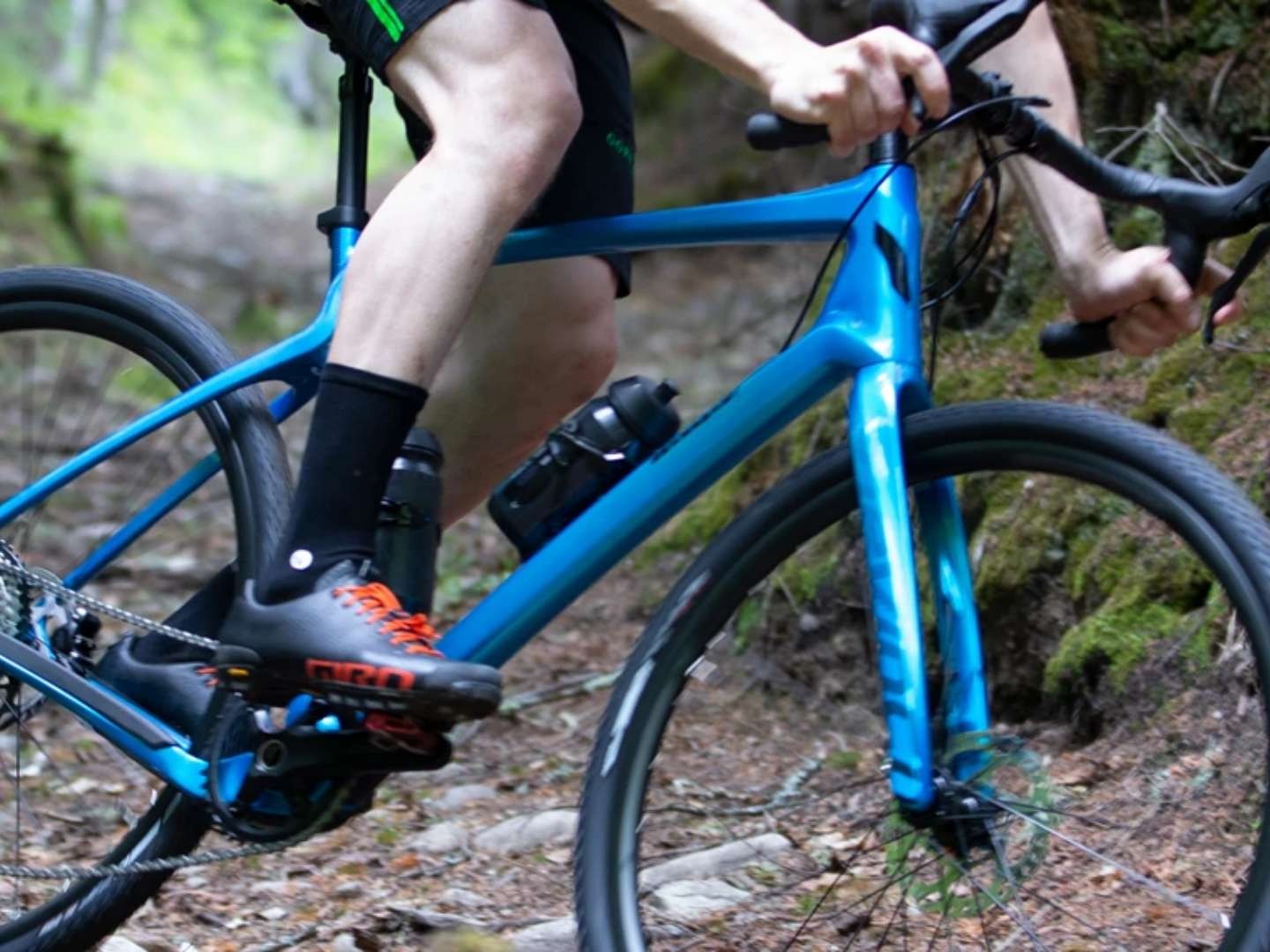
What is a gravel bike? It’s a do-it-all bike designed for roads, paths, and unpaved routes — without feeling slow or fragile. Some gravel bikes lean sporty and fast. Others are built for long adventures with bigger tires, extra mounts, and a more upright fit. The best gravel bike is the one that matches where you ride most and how you like to ride.
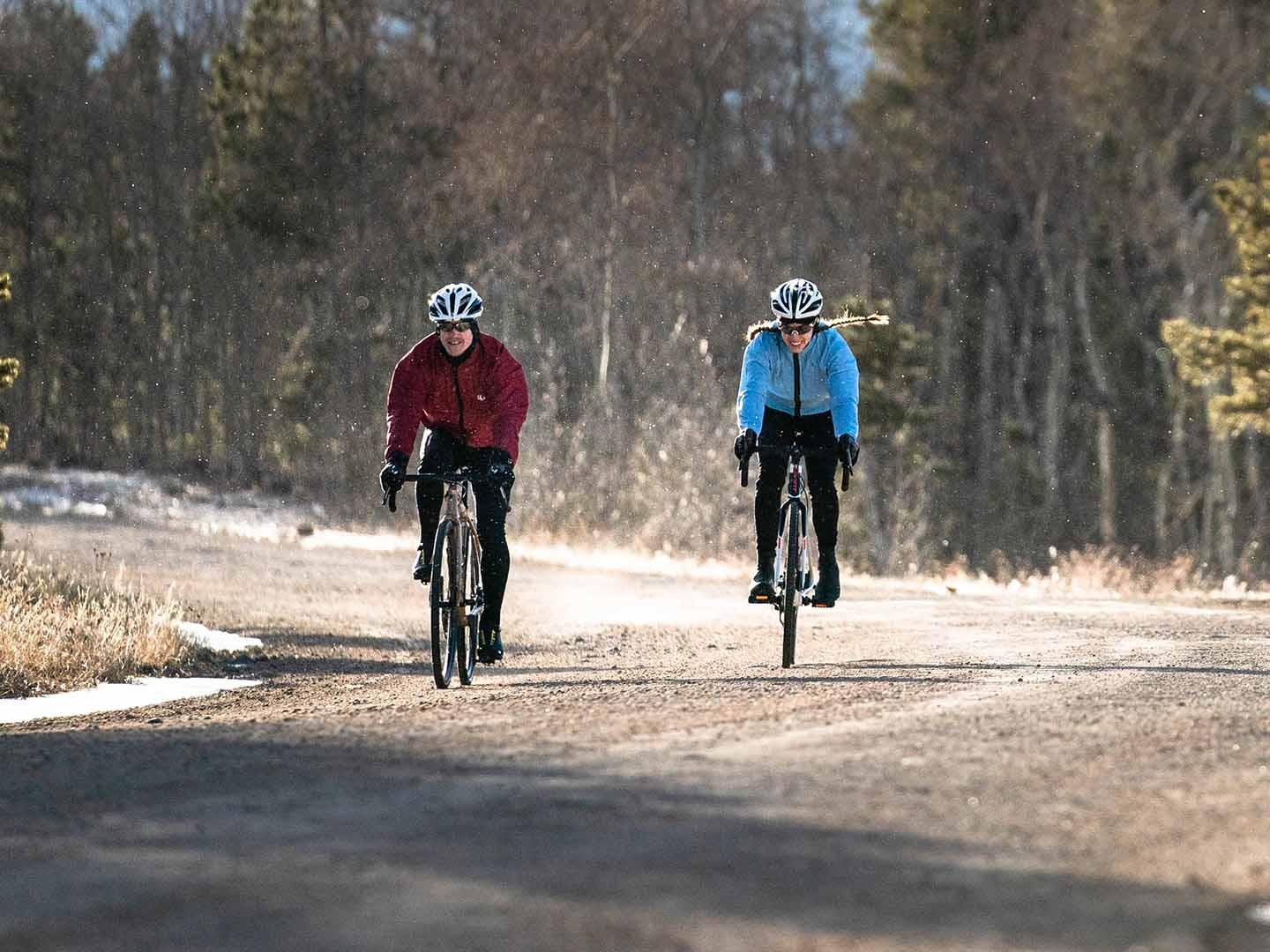
Gravel road surface and mixed terrain riding

What “Gravel” Really Means

Gravel isn’t just one type of road. It can mean everything from hard-packed dirt paths to chunky rural roads, rail trails, fire roads, and “almost singletrack” routes. A gravel bike rides efficiently like a road bike, but opens up way more options once you leave smooth pavement behind.

Where Can I Ride My Gravel Bike?

Think of gravel as a spectrum. Here are four common “terrain buckets” — from smooth paths to rougher trails. (You don’t need a new bike for every bucket — tire choice and setup matter a lot.)

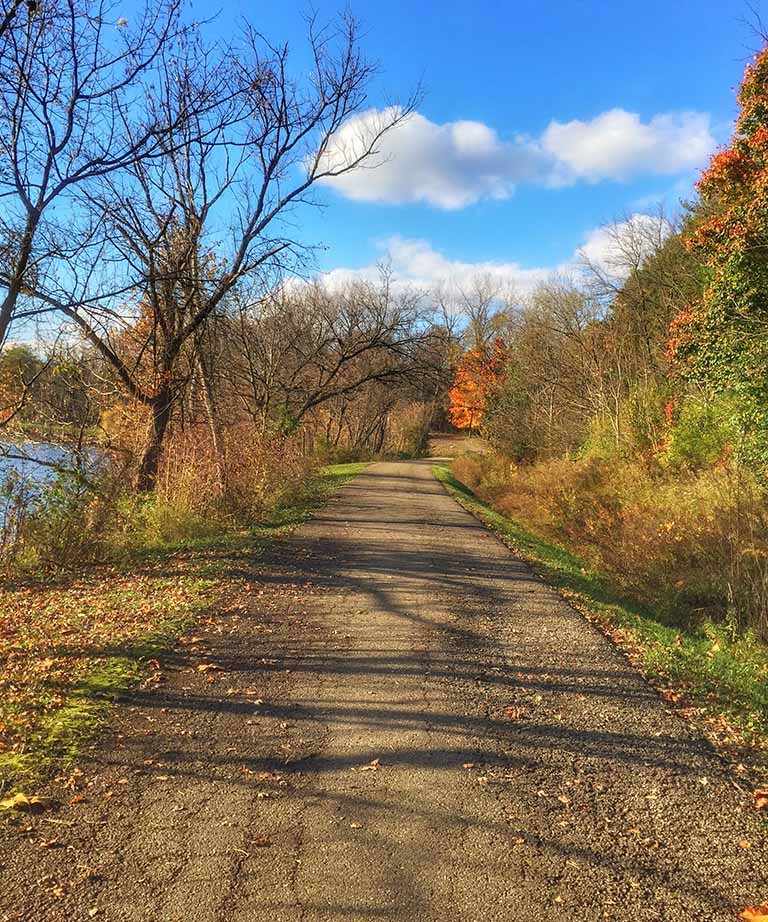
Smooth paved or very light gravel path

1) Paved or Very Smooth Paths

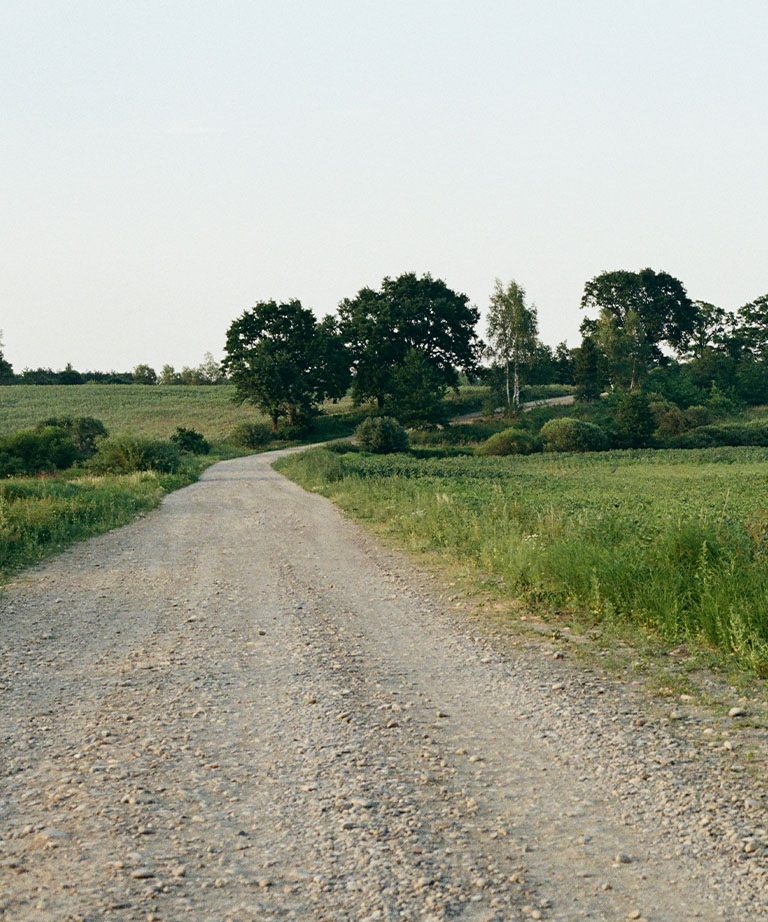
Smooth pavement, bike paths, and clean crushed-gravel routes.

  • Road bike or endurance road bike works great
  • Gravel bike adds comfort + versatility
  • Typical tire range: 28–38mm
Hard-packed dirt road or maintained gravel road

2) Maintained Gravel + Hard-Packed Dirt

Classic gravel riding: country roads, rail trails, and mixed surfaces.

  • Gravel bike is ideal
  • Endurance road bikes can work with the right tires
  • Typical tire range: 35–45mm
Loose gravel road with deeper stones

3) Loose Gravel + Minimum Maintenance Roads

Deeper gravel, washboard, small ruts, and variable conditions.

  • Gravel bike recommended
  • Wider tires + tubeless setup helps a ton
  • Typical tire range: 40–50mm
Fire road or smooth singletrack trail

4) Fire Roads + Smooth Singletrack

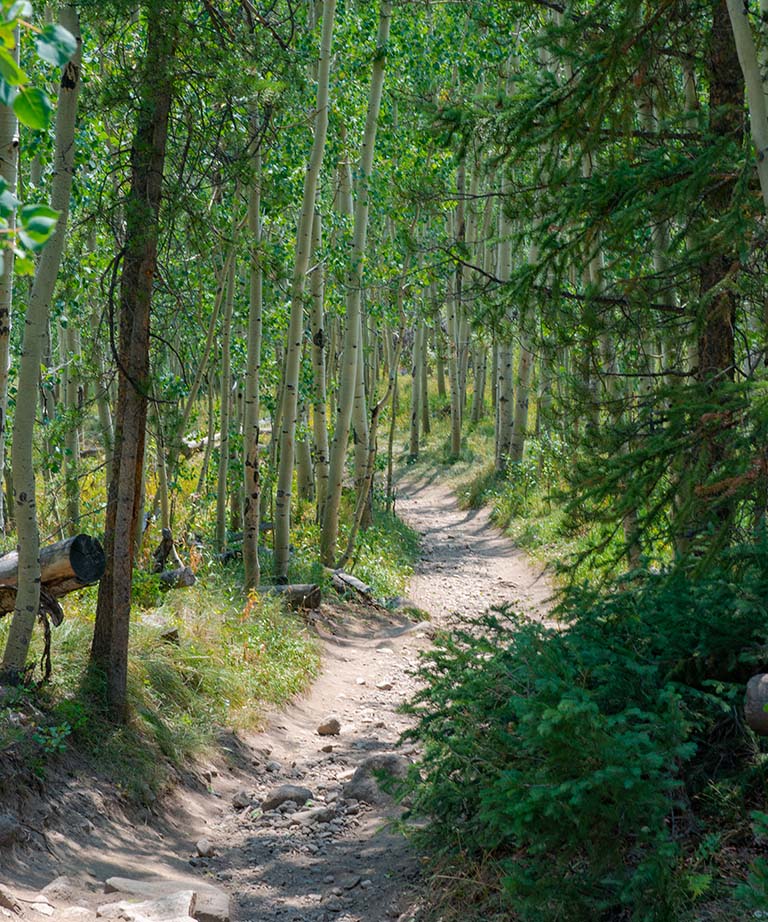
Chunkier riding, small rocks/roots, and trail-style terrain (without big drops).

  • Gravel bike can work if the trail is smooth-ish
  • A hardtail MTB is better as terrain gets rougher
  • Typical tire range: 45–55mm (or more with 650b)

What Makes a Gravel Bike Different?

  • Tire clearance: room for wider tires for comfort and control
  • Stable geometry: confident handling on loose surfaces
  • Disc brakes: consistent stopping power in wet/dusty conditions
  • Mounts: options for bottles, racks, bags, and fenders (varies by bike)
  • Drivetrain options: 1x for simplicity, 2x for tighter gearing steps (both are great)
  • Wheel options: often 700c (fast) or 650b (more volume + comfort)

Get the Gear You Need

The first rule of any great adventure: be prepared. Here are the “high impact” gear categories that make gravel rides safer, more comfortable, and more fun — without overcomplicating things.
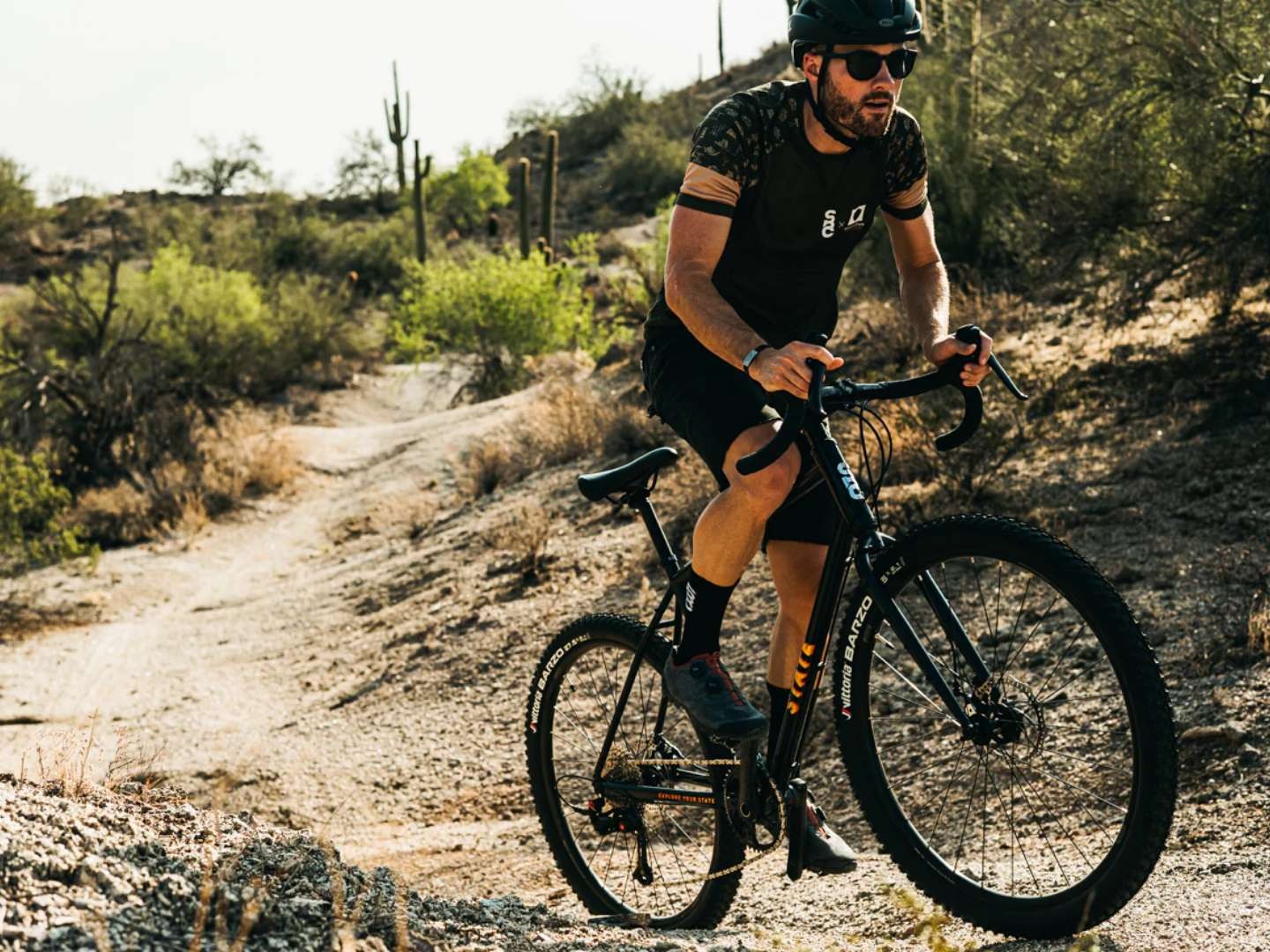
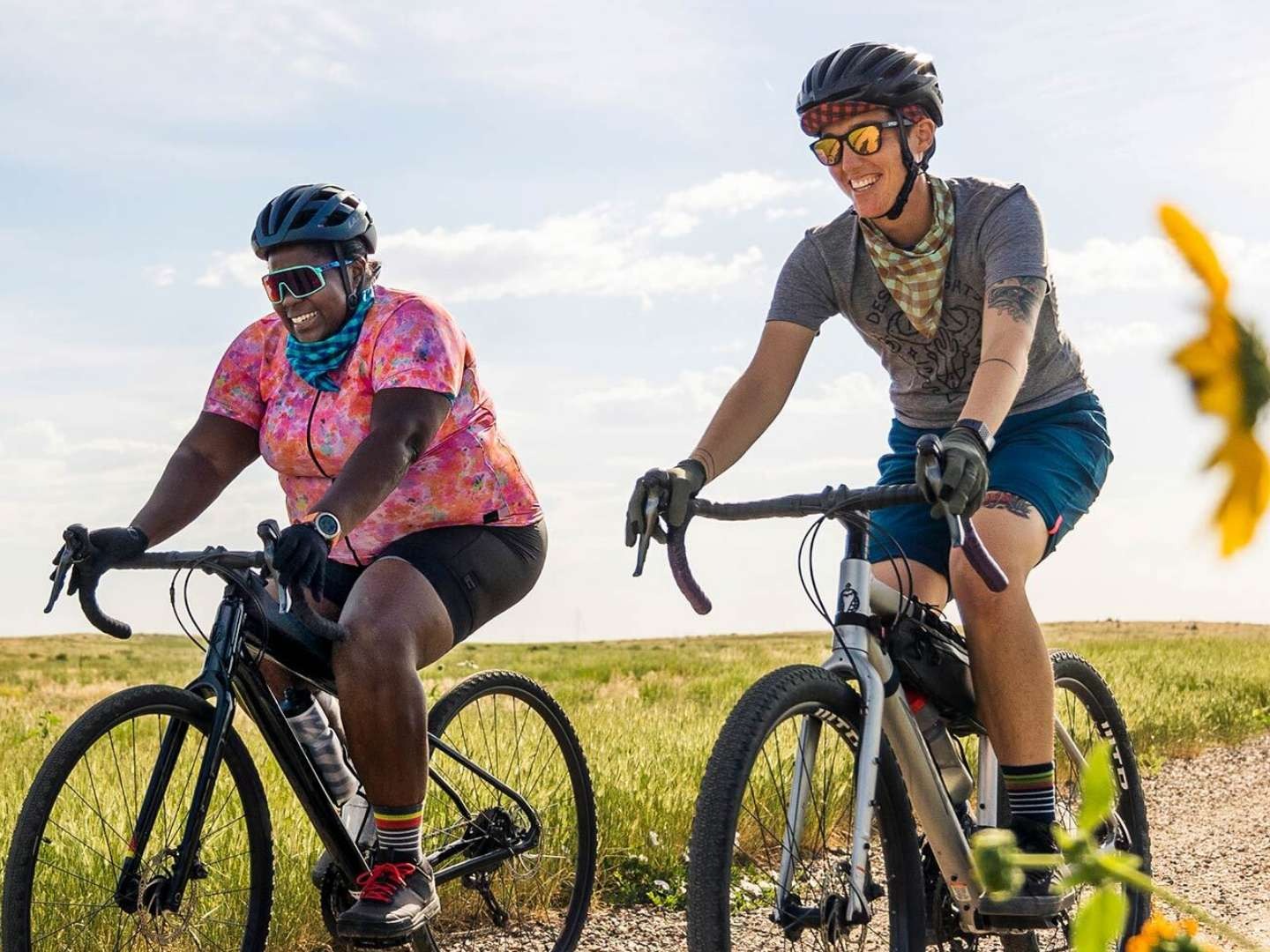
Cycling apparel suitable for gravel riding

Clothing

Gravel is a hybrid of road and mountain biking — and clothing follows the same idea. Prioritize comfort and function: padded shorts, a breathable jersey, and a layer you can add/remove as temperatures change. For longer rides, a lightweight rain shell can save the day.

Cycling helmet used for gravel riding

Helmet

Your most important safety item. Look for good coverage, a comfortable fit, and solid ventilation. If you ride a lot of sun or dust, consider a helmet with room for a cap or a small brim.

Cycling shoes suitable for gravel and mixed terrain

Shoes

Proper footwear can make or break a gravel ride. Many riders choose MTB-style clip-in shoes for walkability and traction. Gravel-specific shoes are a great option if you want efficient pedaling with easier off-bike comfort.

Bikepacking bags and packs for gravel rides

Packs & Bags

Carry what you need without overloading your pockets. Frame bags, saddle bags, and handlebar bags are popular for tools, tubes, snacks, and layers. Hydration packs and hip packs are also great for longer rides.

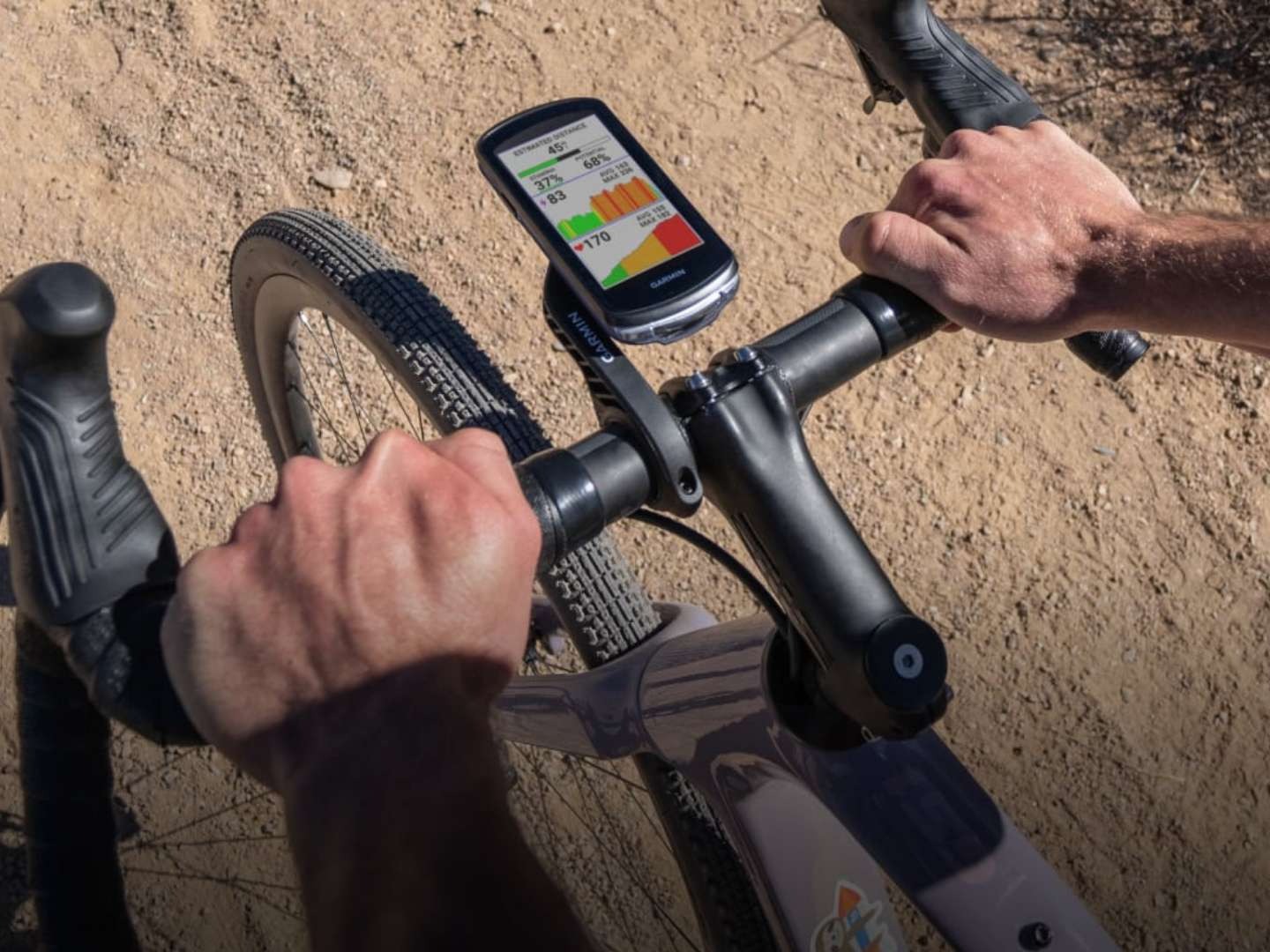
Cycling computer or GPS unit on handlebars

Cycling Computers & GPS

Navigation is a game-changer on gravel. A bike computer (or phone + mount) can help you stay on route, track distance, and monitor effort. If you’re exploring new areas, offline maps are worth it.

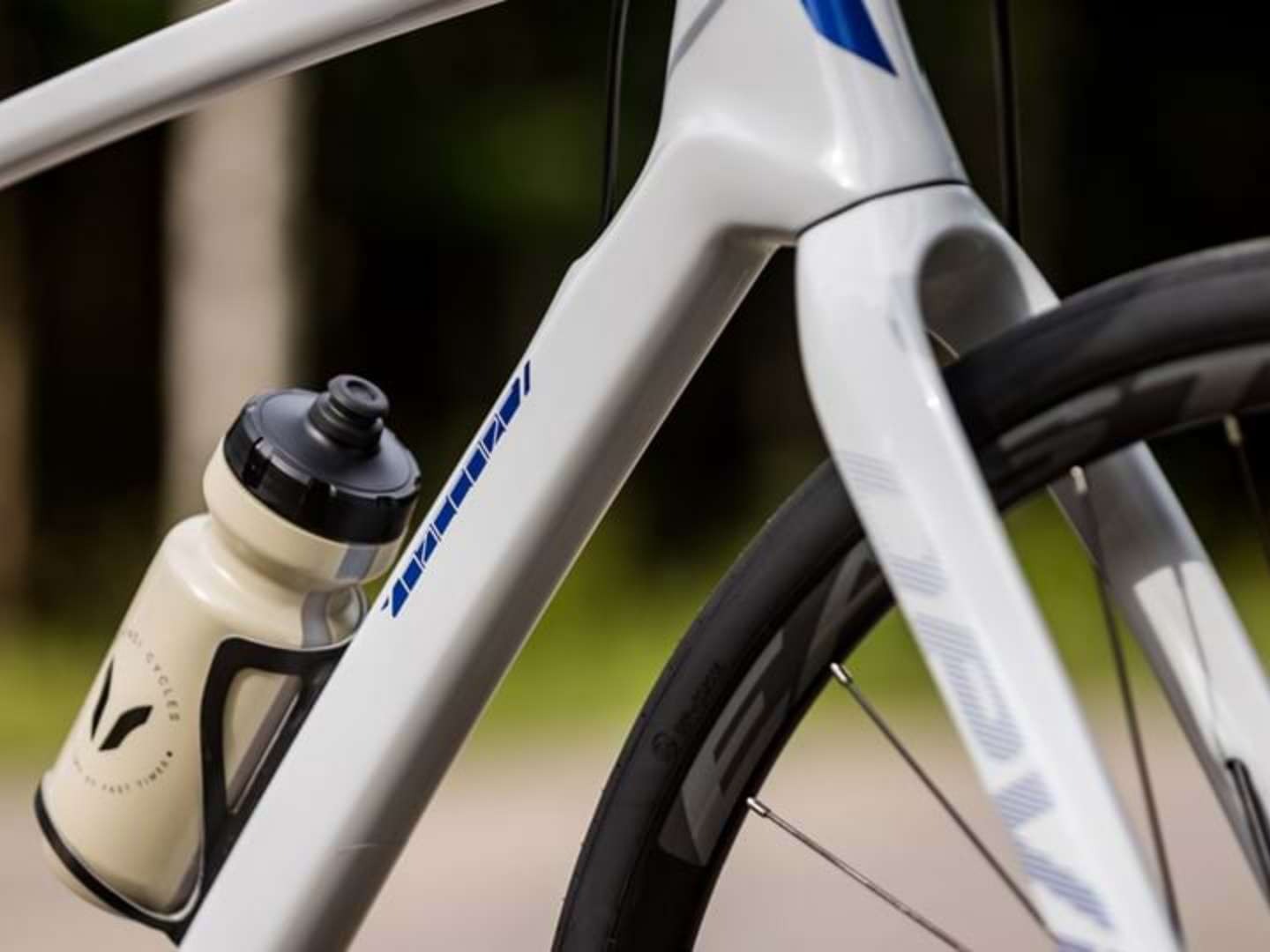
Hydration and snacks packed for a gravel ride

Hydration & Nutrition

Gravel rides tend to run longer than expected (because exploring is the whole point). Bring enough water, plus a little extra. For food: aim for easy-to-eat carbs and something with salt on longer days. If in doubt — pack snacks.

Quick Gravel Setup Tips

  • Go wider on tires if you want more comfort and control (within your bike’s clearance).
  • Tubeless helps reduce flats and allows lower pressures for better traction.
  • Lower tire pressure than road riding — it improves grip and reduces fatigue.
  • Carry basics: tube/plug kit, multi-tool, pump/CO₂, and a small first-aid item.
  • Plan for “one more hour” — gravel rides expand quickly when the route gets fun.
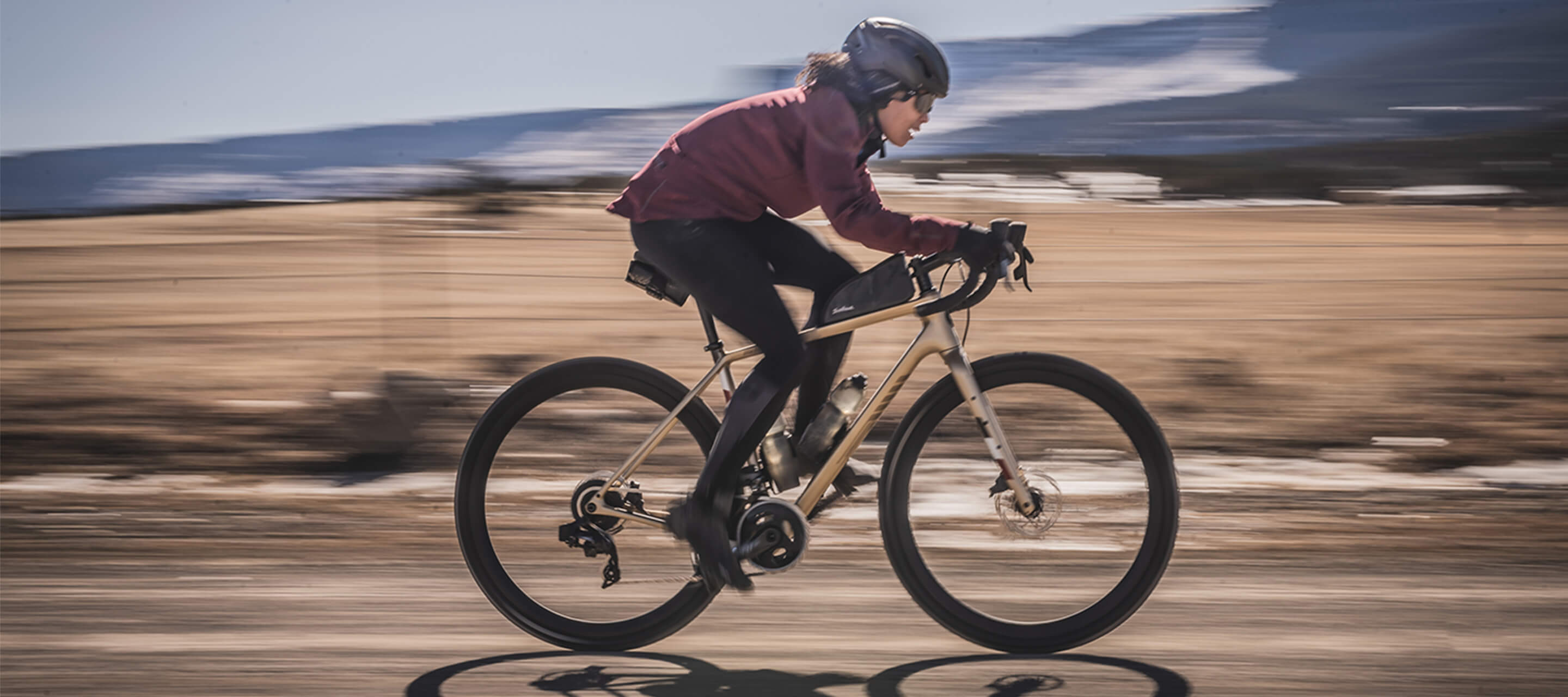
Gravel bike on an open route, ready for adventure

Ask Us Anything

Ready to ride gravel? If you want help choosing the right style of gravel bike (or the right setup for your routes), we’re happy to talk it through — no pressure, just good advice.

Previous Post Next Post

Leave A Comment

Welcome to our store